AI Research Scientist | Posted on 6/15/2023
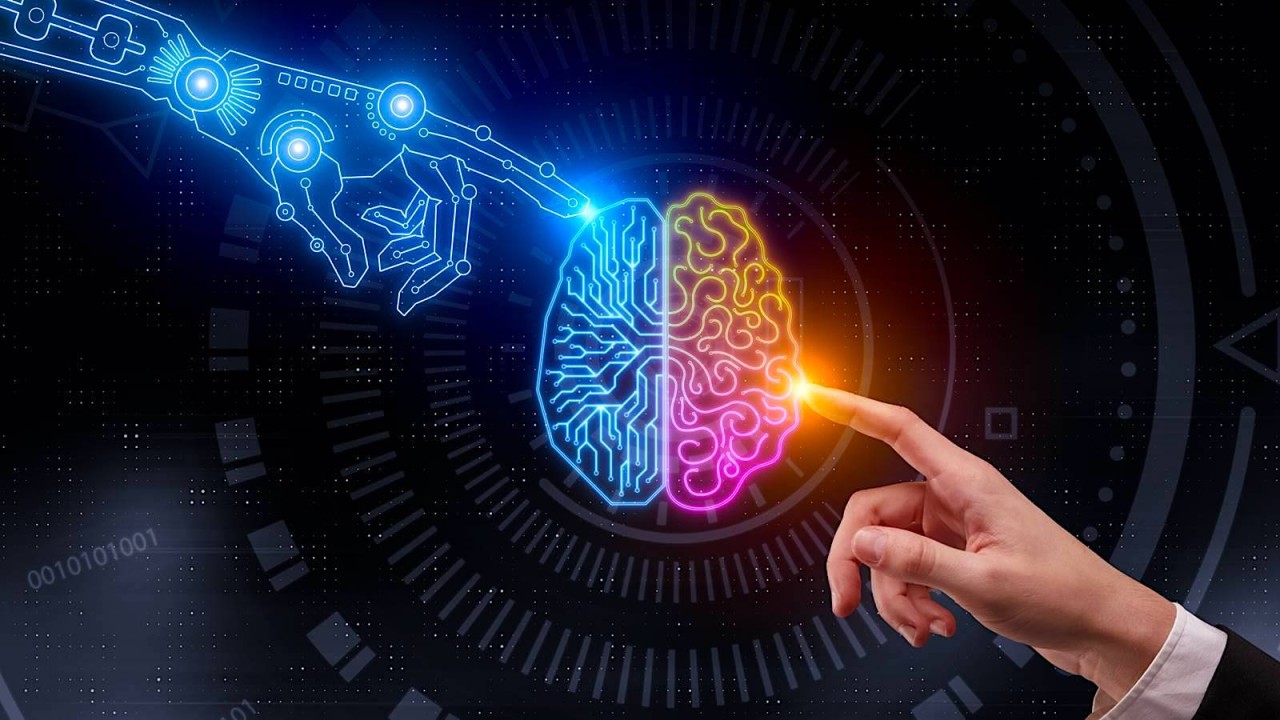
Artificial Intelligence (AI) has become one of the most transformative technologies of our time. As we stand on the brink of a new era, the potential of AI to revolutionize industries, solve complex problems, and enhance our daily lives is both exciting and daunting. This blog post explores the future of AI, discussing its promises and the challenges we must navigate as we move forward.
AI is poised to revolutionize healthcare by enhancing diagnostic accuracy, personalizing treatment plans, and accelerating drug discovery. Machine learning algorithms can analyze medical images with incredible precision, often outperforming human experts in detecting diseases like cancer at early stages. AI-powered predictive models can help forecast patient outcomes and suggest personalized treatment strategies, potentially saving countless lives.
AI is becoming an invaluable tool in the fight against climate change and environmental degradation. From optimizing energy consumption in smart cities to predicting natural disasters and monitoring biodiversity, AI-powered solutions are helping us understand and protect our planet better than ever before.
The development of autonomous vehicles promises to revolutionize transportation, potentially reducing accidents, easing traffic congestion, and decreasing carbon emissions. AI is also optimizing logistics and supply chain management, making the movement of goods more efficient and sustainable.
While the potential of AI is immense, it also presents significant challenges that we must address:
As AI systems become more advanced and autonomous, ethical questions arise. How do we ensure AI makes decisions that align with human values? The development of ethical AI frameworks and guidelines is crucial to prevent unintended consequences and protect human rights.
The automation of tasks through AI and robotics raises concerns about job displacement. While new jobs will likely be created, there's a need for proactive measures to retrain and upskill workers for the AI-driven economy.
AI systems require vast amounts of data to function effectively. Ensuring the privacy and security of this data is paramount. Striking a balance between data utilization for AI advancement and protecting individual privacy rights remains a significant challenge.
AI systems can inadvertently perpetuate and amplify existing biases present in their training data. Addressing this issue requires diverse teams, careful data curation, and ongoing monitoring to ensure AI systems are fair and equitable.
As we navigate the future of AI, collaboration between technologists, policymakers, ethicists, and the public is crucial. Here are some key areas of focus:
Establishing guidelines and best practices for responsible AI development is essential. This includes prioritizing transparency, explainability, and accountability in AI systems.
Preparing the workforce for an AI-driven future through education and reskilling programs is vital. This includes not just technical skills but also fostering creativity, critical thinking, and emotional intelligence – areas where humans still excel over machines.
Developing appropriate regulatory frameworks that encourage innovation while protecting public interests is a delicate balance. These frameworks need to be flexible enough to keep pace with rapid technological advancements.
Ensuring AI benefits all of society, not just a privileged few, is crucial. This includes addressing the digital divide and making AI technologies accessible to diverse populations.
The future of AI is bright with promise but not without its challenges. As we stand on the cusp of this new era, it's crucial that we approach AI development with optimism tempered by responsibility. By addressing the challenges head-on and fostering collaboration across disciplines, we can harness the power of AI to create a better, more equitable world for all.
The journey of AI is just beginning, and its ultimate destination will be shaped by the choices we make today. As we move forward, let's strive to create AI systems that not only augment human capabilities but also reflect the best of our human values – compassion, fairness, and the pursuit of knowledge for the betterment of all.