Islamic Scholar | Posted on 6/25/2023
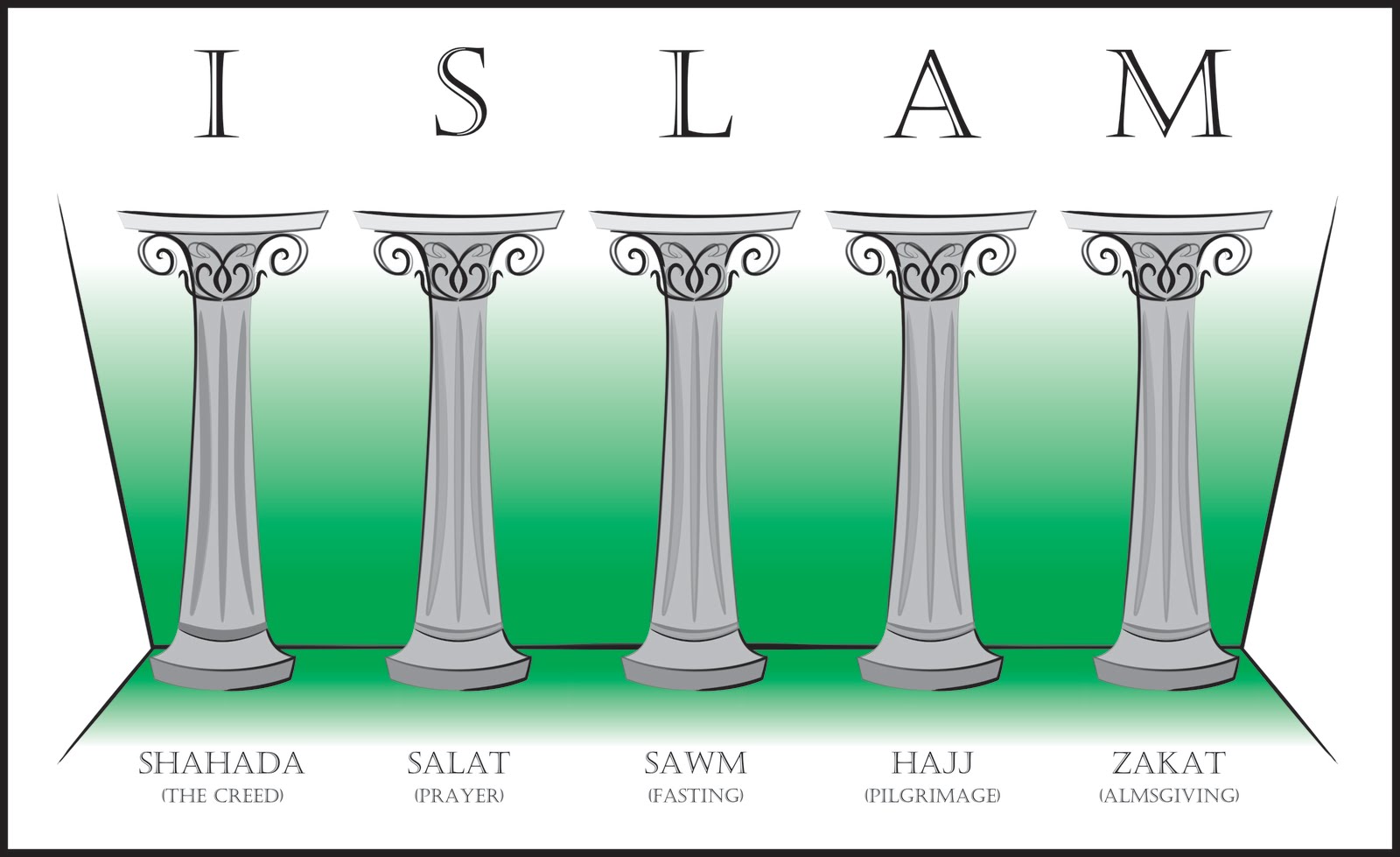
Islam, one of the world's major religions, is built upon five fundamental practices known as the Five Pillars of Islam. These pillars form the foundation of a Muslim's life and are essential to understanding the Islamic faith. This blog post provides a brief overview of each pillar.
The Shahada is the Muslim profession of faith: "There is no god but Allah, and Muhammad is the messenger of Allah." This declaration is the cornerstone of Islamic belief and is often recited in Arabic.
Muslims are required to pray five times a day facing the direction of Mecca. These prayers are performed at dawn, noon, mid-afternoon, sunset, and night, serving as a direct link between the worshipper and Allah.
Zakat is the practice of charitable giving based on accumulated wealth. It is obligatory for all Muslims who meet the necessary criteria of wealth. It is viewed as a way of purifying one's wealth and helping those in need.
During the holy month of Ramadan, Muslims fast from dawn to sunset. This practice teaches self-discipline, self-control, sacrifice, and empathy for those less fortunate.
The Hajj is a pilgrimage to Mecca that every adult Muslim must make at least once in their lifetime if they are physically and financially able. It is a demonstration of solidarity of the Muslim people and their submission to Allah.
The Five Pillars of Islam provide a framework for Muslim life, embodying the core principles of the faith. They guide believers in their worship, their interactions with others, and their personal conduct, fostering a deep connection with Allah and the Muslim community.